

THC Oil: Uses, Benefits, and Legal Status in the UK
They tend to produce a stimulating or invigorating effect, making them better for daytime use. Choosing the right weed strain depends on the effects you want, such as a strong high, pain relief, or anxiety relief. Drug Enforcement Administration restrictions make it harder for researchers to study weed. Scientists aren’t sure if weed helps reduce pain — more research and clinical trials are needed. It also has 2% cannabigerol (CBG), the third most common cannabinoid in weed after THC and CBD.
Delta-8 is intoxicating and produces effects broadly similar to delta-9 THC — although controlled human research suggests it is less potent on a milligram-for-milligram basis. The FDA explains that concentrated delta-8 THC is commonly manufactured from hemp-derived CBD. As a result, most concentrated delta-8 products are produced by chemically converting hemp-derived CBD into delta-8 THC rather than extracting large quantities directly from the plant. THCP is a naturally occurring cannabinoid that attracted substantial scientific attention after researchers first identified it in Cannabis sativa in 2019.
Do not assume that a product labeled “hemp” or “THCa” will produce a negative drug test result. THCa converts to THC when metabolized and will produce the same metabolites that standard drug tests screen for. Is THCa weed the same quality as dispensary cannabis?
According to different studies (the use of THC can reduce the production of chemokine and cytokine), compounds that are responsible for triggering inflammation. That’s why many professionals recommend the use of medicinal cannabis (THC) to cure these problems as THC will reduce the swelling. Though teenagers and youth are more likely to experience extreme psychiatric effects because their brains are still developing. Some years ago (only a few methods were available to take them), but with the advancement in time and technology, they are available in different forms.

Anxiety, Fear, Distrust, Panic, or Hallucinations
The purpose of these products is to produce a weed shake uk high, and the increased potency makes them potentially more dangerous and more likely to result in addiction. The more potent a drug is, the stronger the possibility of addiction and the more likely the person will continue to purchase and use the product. Samantha Green (a psychology graduate from the University of Hertfordshire), has a keen interest in the fields of mental health, wellness, and lifestyle. The scientific evidence confirms that cannabis offers multiple proven health benefits, from pain management and sleep improvement to mental health support and inflammation control.
- In contrast, most states require that medical cannabis products sold in dispensaries undergo testing.
- Many people use cannabis and cannabis products as a treatment for chronic pain, multiple sclerosis, and mental health conditions.
- Smoking cannabis has also been shown to increase the risk of myocardial infarction by 4.8 times for the 60 minutes after consumption.
- Having a criminal record for cannabis-related offenses can lead to difficulties in securing employment — traveling (especially to countries like the U.S.), and could impact future opportunities, such as holding public office.
- A 10mg edible is a common serving size in many legal markets, but it can be too strong for some people with low tolerance.
The plant’s stem bark produces long, strong fibers used to make rope, textiles, paper, and garments. The distinctive smell of cannabis comes from terpenes, aromatic compounds produced alongside cannabinoids in the trichomes. Your body naturally produces its own cannabinoid-like molecules that plug into these receptors to help regulate mood, pain, appetite, and memory. Research indicates CBD has anti-anxiety (anti-inflammatory), and antiepileptic properties. It does not produce euphoria and in many ways acts as THC’s counterpart. The sticky resin they produce contains the plant’s cannabinoids (terpenes), and flavonoids.
THC levels in edibles
Cannabis also produces a lesser-known class of nitrogen-containing chemicals (including alkaloids), simple amines, and amides. Total flavonoid content in the flowers runs between 0.07% and 0.14%, with leaves containing roughly three times more. More than 30 flavonoids have been identified in cannabis (including common ones like quercetin), apigenin, and luteolin that also appear in fruits and vegetables.
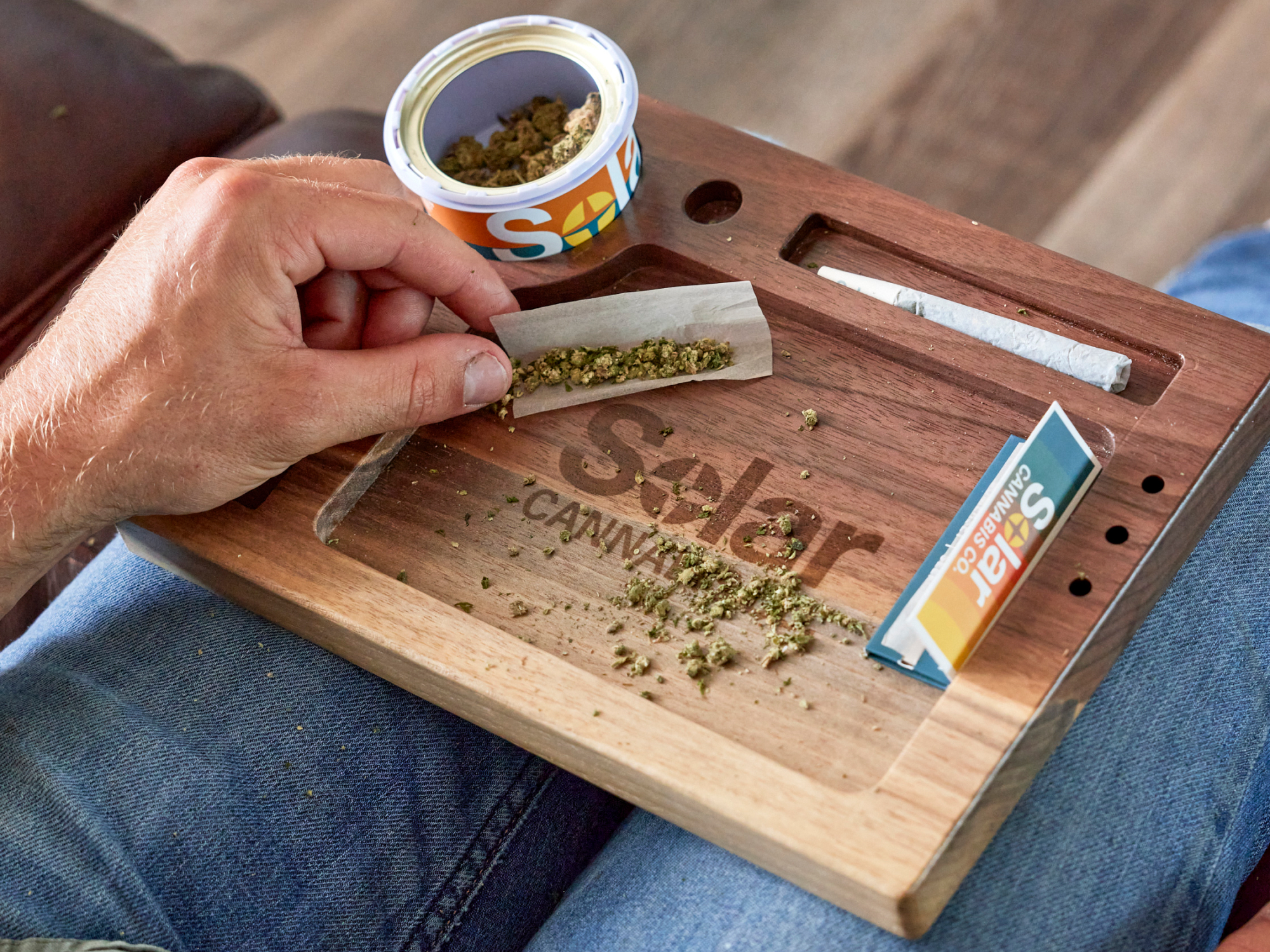
What are the effects of cannabis?
The most popular and frequent use of THC in medicinal cannabis is its ability to reduce pain. Diseases like HIV — dementia, and hepatitis affect the appetite, which can result in severe malnourishment. Short term and long term effects may differ (as short term effects of THC may affect spatial memory), but studies show long term use may improve poor spatial memory.
In a controlled human study of oral cannabis (researchers detected substantial concentrations of both THC and 11-hydroxy-THC following consumption of cannabis brownies containing 10), 25 or 50 milligrams of THC. During this process (the liver converts some THC into 11-hydroxy-THC), an active metabolite that also produces psychoactive effects. Route of administration can substantially change how cannabinoids are absorbed, metabolized and experienced. The amount actually consumed and the person consuming it can be just as important as the percentage printed on the label. THC percentage therefore remains an important piece of information, particularly when comparing flower and concentrates, but it is only one factor determining the overall experience.